Why Subfloor Repair Is Crucial Prior To Any Floor Is Installed
Subfloor repair is an unglamorous aspect of flooring installation nobody is willing to talk about and also nobody wants to pay for. It's hard to see that it's done as well as it's difficult to photograph in the same way, and adds expense to an amount that homeowners have most of the time already firmly committed to an exact number. However, it is without doubt, the major factor in determining whether a new floor performs the best it can or starts in the first year of its existence. The housing stock in Philadelphia such as rowhomes or twins and older colonials across Bucks County, Delaware County ranches with crawlspaces are especially susceptible to subfloor problems that aren't discovered until the floor is put down and begins to reveal them. What every homeowner should be aware of prior to installing.
1. The Subfloor is what your new Floor Is Essentially Attached To
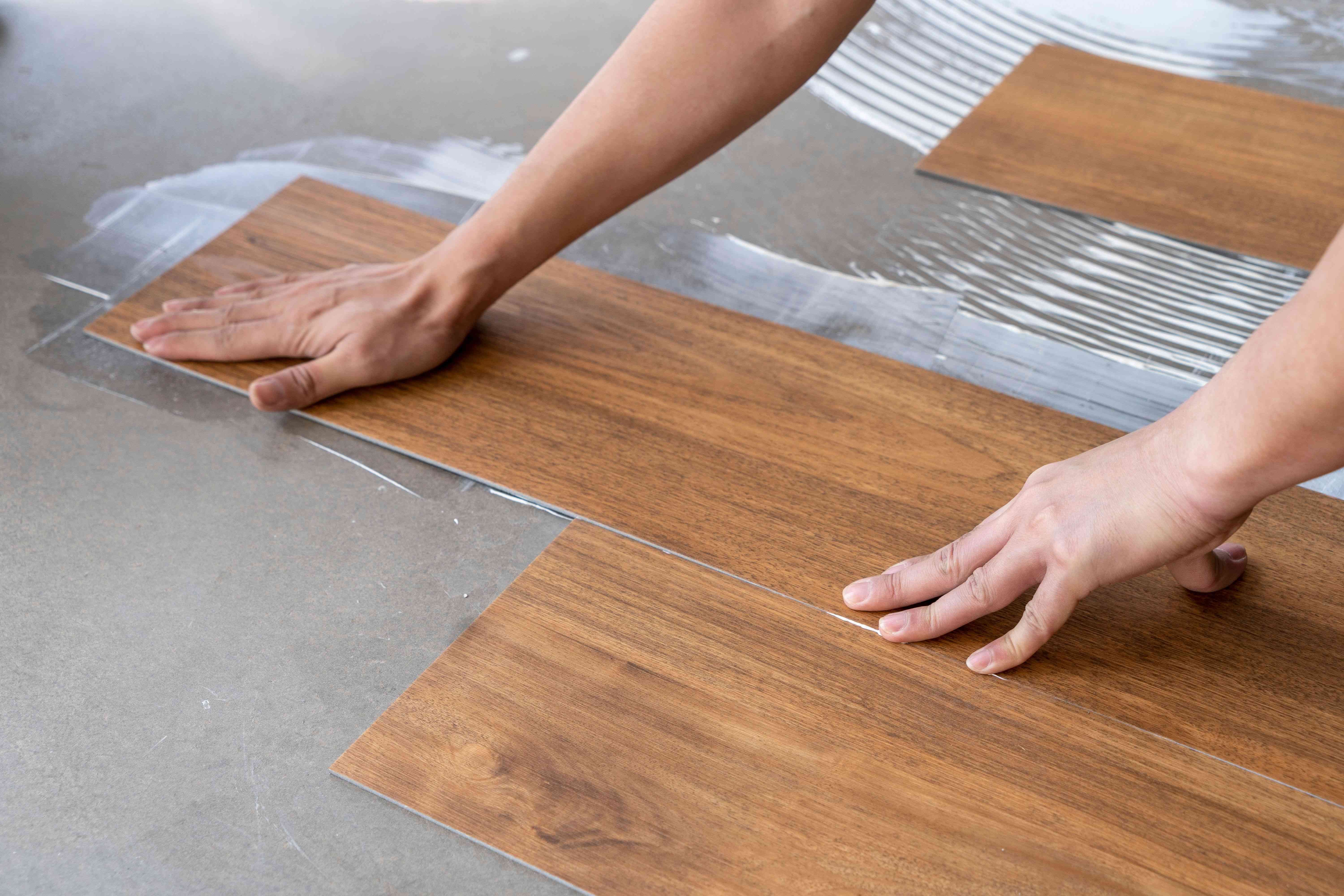
This sounds obvious but gets lost in the excitement of deciding on materials. When you install nail-down hardwood, glue-down LVP, floating laminate, or porcelain tile, the final floor is only as sturdy as the flooring underneath. If your subfloor has soft places, flexible, damage, or even level variation does not fade away when you cover it with new flooringthey communicate every issue upward, often within months. Licensed flooring installers evaluate the subfloor before considering everything else for precisely this reason.
2. In older homes, Philadelphia has subfloor Situations that can be a surprise to contractors
The homes constructed before 1960 in Philadelphia, South Jersey, and in the surrounding counties generally include diagonal boards rather than plywood -- an approach to construction that was a common practice at the time but causes real difficulties for flooring installations in modern times. The subfloors of boards are more susceptible to moving, they contain gaps among planks and frequently require an overlay of plywood before tile or hardwood installation is feasible. Contractors who do not flag the issue during their estimate did not do their homework properly or are intending to get around it by arranging their work in ways that could cause problems in the future.
3. Soft Spots Can Be a Warn Sign, Not a Minor Unpleasant
A soft spot in your subfloor -- one that gives a slight amount when you walk over it, typically indicates water damage, rot or delamination within the subfloor material itself. The installation of flooring over a soft spot doesn't fix this issue. It just conceals it temporarily as the damage persists underneath. In the case of hardwood flooring installation and installation in Philadelphia specifically, soft spots pose a threat to the nail or staple anchor that keeps the flooring in place. Flooring that starts lifting, squeaking, or separating from the subfloor almost always leads back to a soft spot that was not addressed prior to installation.
4. Level Variation Impacts Every Flooring Type differently
Most flooring companies stipulate the maximum possible variation allowed for flatness of the subfloor -- typically 3/16 inch over 10 feet. This tolerance is exceeded affects the different types of flooring in different ways. Tile flooring isn't very durable: high spots scratch tiles, and low spots break grout lines, and an uneven subfloor that is covered with large-format stone is an absolute guarantee that callbacks will occur. LVP manages minor variation better over the other types, yet large drops or ridges will show through as time passes. Hardwood conveys unevenness in the form of hollow spots and movements. Subfloor leveling compound or targeted grinding are options in a way to solve the issue.
5. Moisture in the Subfloor is a distinct issue From Household Humidity
These are two separate problems needing separate solutions. Ambient indoor humidity affects how wood flooring expands during the season. Subfloor moisture -the transmission of vapor through concrete and wicking across old board subfloors, or dampness from leaks in the past directly sever the adhesive bond, causing floating floors to buckle, as well as encourages mold growth underneath completed flooring. An accurate moisture measurement prior to flooring is installed at Philadelphia houses should be standard practice. In cases where this isn't completed the contractor has to assume instead of knowing the exact conditions.
6. Concrete Slabs need to be tested for moisture Prior to gluing-down installation
The glue-down of hardwoods and LVP installation on concrete is a common feature across Delaware County and South Jersey properties with slab-ongrade construction. What's often not communicated to homeowners is that concrete slabs emit moisture vapor in a continuous manner, and their rate is vitally important to the quality of the adhesive. The slab which passes visually-inspected inspection will still fail the calcium chloride and relative humidity test. Flooring adhesive placed over the slab with an excessive combustion of vapors can break the bond -- usually within one year -- and the floor will begin to shift, expand, or separate.
7. Subfloor Repair Costs are difficult for estimating without examining
This is why trustworthy flooring companies won't give you a fixed price in person. Subfloor repair in Philadelphia can range from a basic patch of wood for $200 up to a few dollars per square foot across an area of vast damage from moisture. All you need to know is to conduct a site inspection and an accurate assessment. homeowners who press contractors to provide a locked-in sum before anyone examines the subfloor could create conditions wherein the contractor has to construct a substantial possibility or cuts corners when problems start to surface mid-job.
8. Tile Installation Is the Most Ristaking Test of the Subfloor's Integrity
Ceramic tile as well as porcelain have no flexibility -- they transfer the stress directly to the bond beneath them. A subfloor with significant flex will cause cracks in grout and tile, regardless of whether the grout was installed. The most common requirement for installing tile includes a subfloor construction that is sturdy sufficient to satisfy the standard of deflection that engineers describe as L/360- meaning a 10-foot span will only deflect 1/3 inch under the load. Older Philadelphia properties often fall short in this regard without reinforcement. In the case of bathroom tile installations, problems in older homes are nearly always a subfloor stiffness problem in disguise.
9. Securing the Subfloor Today Protects the value of refinishing in the future
One of the primary advantages over time is the capacity to restore and sand it numerous times in the span of a few decades. The benefits are lost if subfloor beneath it becomes damaged. Refinishing and sanding floors to be done in Philadelphia requires a sturdy flooring that is properly secured -it must not move, flex, or squeak underneath the sanding equipment. Subfloor problems that were manageable initially can cause major problems in the event that refinishing needs to be attempted several years later. Properly fixing the subfloor from the start will protect any future service that the floor may need.
10. The Subfloor Contractors Who Discover Problems Are the ones to consider hiring
It might feel counterintuitive -- nobody wants to hear that their job was just higher-cost before it even began. A flooring professional who takes a walk around your room, is aware of subfloor issues, and include repair as part of their job is doing exactly what a professional ought to do. They who do not mention this, don't quote for it and then start installing flooring over a subfloor that's damaged are the ones who generate the bad reviews six months later. If you're receiving estimates for flooring in Philadelphia, the inspection thoroughness before you get the estimate gives you all the information you require to know about how the installation itself will go. Have a look at the top
flooring installation near me Philadelphia for website advice including flooring installation cost Philadelphia, free flooring estimate Philadelphia, LVP flooring Philadelphia PA, porcelain tile installation Philadelphia, waterproof flooring installation Philadelphia, flooring estimate Philadelphia, flooring installation near me Philadelphia, luxury vinyl flooring Philadelphia, cheap flooring installation Philadelphia, flooring installers South Jersey and more.
Hardwood Refinishing Vs. Replacement: What's The Difference?
Flooring made of hardwood in Philadelphia homes carry history in their design -- the original floors of oak that were part of the Germantown twin, wide pine planks in a Chestnut Hill colonial home, and a long-lasting hardwood flooring in a Delaware County ranch that's seen three families. If floors begin to look unfinished, the default is usually for them to be replaced. It's not always a proper choice. Refinishing may not be the most cost-effective option however it appears so on the surface. The choice between sanding and refining your existing hardwood, or taking it off and starting from scratch depends on factors that only become clear once someone who knows what they're looking at actually inspects the floor. Here's how to think through the options before committing to either choice.
1. The thickness of the floor is often the first The Factor that Determines Your Options
Solid hardwood flooring can be sanded repeated refinished several times throughout its lifespan, but not indefinitely. Every refinishing step removes a thin layer of wood and after the floor is removed from the tongue and groove fastening system the tongue, it's in no position to be sanded yet again in a safe way. The most solid hardwoods are 3/4 inch in thickness, with approximately 1/4 inch of the material above the tongue that can be used for sanding. A flooring professional can assess the remaining thickness by using an indicator placed in a non-detectable area. The result, more than anything else determines the status of refinishing being considered.
2. Engineered Hardwood It has a narrower, more refined refinishing Window
The installation of engineered hardwood has increased significantly across Philadelphia, Bucks County, and Montgomery County homes over the past two decades, and many homeowners don't realize the floors are engineered until refinishing is required. The wood veneer layer on engineered hardwood is more thin than solid wood -- anywhere in the range of 1mm to 6mm dependent on the wood product it limits the number times that it is able to be processed. Thin-veneer engineered wood may only permit one refinishing process, or perhaps none whatsoever. Being aware of what you've got before accepting that refinishing can be done is a way to avoid the expense of an estimate visit.
3. Refinishing Costs Significantly Less Than Replacement in the majority of cases.
Floor sanding and refinishing in Philadelphia typically costs $3 to $5 per square foot. Full hardwood floor replacement -- removal of existing flooring, subfloor evaluation, new material and installation can run $10 to $20 per square foot, or higher depending on the flooring species and the method. For a 500 sq ft area, you'll pay the difference between an $1,500 to $3000 job and a $5,000 to $10,000 one. If the flooring is enough thickness and has no structural issues, refinishing delivers an overwhelming visual impact of new floors at only a fraction of the cost.
4. Surface Damage Alone Is Almost Invariably a No-No to Have a Replacement
Scratches, scratches, dullness small stainings, visible discoloration on the surface is exactly what floor sanding and refinishing is intended to fix. They look more blemishes that they really are. A proper sanding session removes the damaged surface layer entirely and returns the floor to the original wood condition, at that point, custom staining along with finishing make the floor appear completely. Philadelphia homeowners who decide to replace floors over surface damage they could have refinished away are making a costly choice based on their aesthetics, not structural actuality.
5. Structural Damage alters the calculation Incompletely
Cupping, warping, significant water damage that's penetrated below the surface and is causing rot at the board at the floor level and flooring that have massively missing or loose sections are all different from surface wear. Refinishing can address surface problems -it can't correct a board that has shifted structurally due to moisture, nor is it able to fix floors in which the subfloor below has been damaged. When structural damage is present or if structural damage is evident, the most honest recommendation from an experienced flooring contractor could be that replacing the floor is the only means to flooring that can function well, not just look better for a while.
6. The past history of Refinishing may affect the Decision Currently Made
A hardwood floor that has been refinished or more times during its life may have very minimal remaining material over the tongue, regardless of what thickness it started at. Conversely, original hardwood in a Philadelphia home that's not been completed -- which is often the case in older houses may be thicker even if it looks rough. The look of the floor is not an indicator of its future refinishing capabilities. The physical measurement, and sometimes an opening in the floor to inspect a cross-section is how professionals determine what's left.
7. Custom staining while refinishing can alter the appearance of floors
One of the benefits of refinishing that is not widely recognized is the possibility to alter the color of your floor completely. Custom staining hardwood in Philadelphia is a crucial part of process of refinishing -- after the floor has been sanded back to its original wood, stain is applied prior to the finish coats take effect. For those who have lived with orange-toned 1990s hardwoods for several years are usually surprised at the realization that the exact same pieces can change into cool grey, a rich walnut, or a warm natural depending on the species and the stain choice. Removing the boards is not required to alter the appearance drastically.
8. Assembling new Hardwood to Existing Floors Is Harder Than It Sounds
One scenario that pushes homeowners to complete replacement is when just a small portion of the floor is in need of attention, damage from water, an addition, a room which was previously carpeted. Making new hardwood match existing older hardwood in majority of the property is genuinely difficult. Wood species, cuts lines, grain patterns, and decades of patina aren't replicated exactly when you replace the material. Flooring contractors from Delaware County and South Jersey that are honest will advise you that a total Refinishing of the entire floor after patching is most of the time the only way to attain an aesthetic coherence.
9. New Material Opens the Door to upgrading the material totally
Sometimes the right answer is to replace not because refinishing isn't feasible, but because the flooring isn't worthwhile to keep. Hardwood that is of low quality and dents easily flooring, floors with extensive subfloor problems that require attention to avoid any further damage, or homes in which the layout has changed, and the old flooring is no longer practical and these are all situations where replacing the floor can provide a significant upgrade. Moving from worn softwood to white oak hardwood, or from damaged solid hardwood to engineered better suited to the house's climate, is a distinct decision from replacing laminated floor without a reason.
10. Review the Assessment before You Decide, not after you've Select
The refinish option vs. replace decision should be made after an expert has examined the floor. Not before. The majority of reputable flooring companies in Philadelphia provide free estimates that comprise this type of evaluation -- measuring the thickness of floors, identifying of structural surface vs. surface water damage, evaluation of the moisture level, and a detailed definition of the steps each is about in terms as well as timeline and final results. Homeowners who contact them only for a replacement estimate are often talking themselves off a refinishing possibility they've not fully explored. The test is free. If it turns out to be unnecessary there is no charge. Read the top Take a look at the best subfloor repair Philadelphia for more info including hardwood floor refinishing cost Philadelphia, hardwood floor refinishing Philadelphia, hardwood floor refinishing Philadelphia, custom hardwood staining Philadelphia, hardwood floor resurfacing Philadelphia, hardwood flooring Philadelphia, LVP floor installation cost Philadelphia, flooring installation cost Philadelphia, kitchen tile flooring Philadelphia, LVP flooring Philadelphia PA and more.
Comments on “20 Good Pieces Of Advice For Deciding On Floor Installation”